Skip to content
Blue Life CommonsOcean Intelligence
Open · Source-linked · Review-gated

The open intelligence commons for ocean life.

Species records, region briefings, field missions, and datasets publish with citations, rights, welfare safeguards, and visible review state. The knowledge is versioned on GitHub and licensed for reuse.

71
Artifacts
44
Species records
167
Cited sources
8
Region briefings
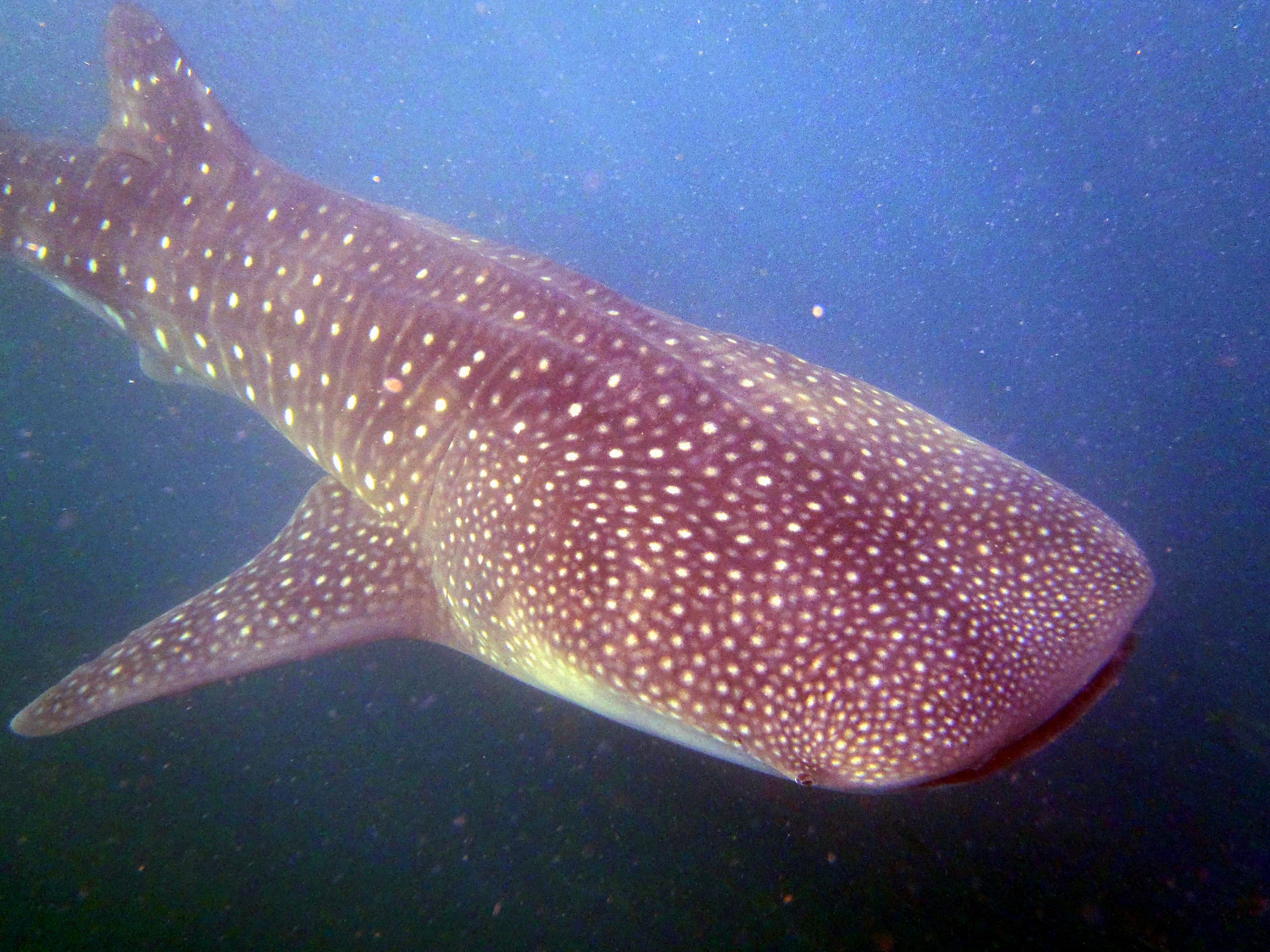
Whale Shark (Rhincodon typus) in an approved source image used for species identification.
Approved mediaRecord · needs expert review

Whale Shark (Rhincodon typus)

One public record, end to end

Science required · Ethics required · Editor pending

  1. 01 · Recordcontent/species/sharks-rays/whale-shark.md
  2. 02 · Evidence3 cited authorities
  3. 03 · RightsCC0 · 9/9 media checks
  4. 04 · ReuseCC BY 4.0 artifact + attribution
Image: cotterillmike · CC0
How it fits together

One commons, three layers

Knowledge is created and governed in the open, made intelligent by shared systems, and sustained by a business that never gates the public good.

  1. 01

    The Commons

    This site · open & free

    A public library of ocean intelligence — species pages, region briefings, missions, and datasets. Source-linked, review-gated, and CC BY 4.0 licensed.

  2. 02

    Ocean Intelligence System

    The engine

    Agents, connectors and an MCP server that turn the commons into living signals — pulling from NOAA, OBIS and GBIF to keep knowledge current and machine-readable.

  3. 03

    Starlight Systems

    Sustains the work

    Implementation for NGOs, sanctuaries and agencies — regional portals, research operating systems, custom connectors. Revenue funds the commons; the commons stays free.

Special section · Deep Time

From living oceans to Mesozoic seas

Popular culture says “ocean dinosaurs.” The science says marine reptiles. Explore 13 sourced deep-time entries that reuse the same encyclopedia UX as living species — with concept reconstruction media clearly labeled.

Flagship reconstruction

Mosasaurus hoffmannii

From the commons

Recently sourced intelligence

A cross-section of the library — species pages, briefings and missions, each backed by cited evidence.

Browse the full catalog
SpeciesENEndangered
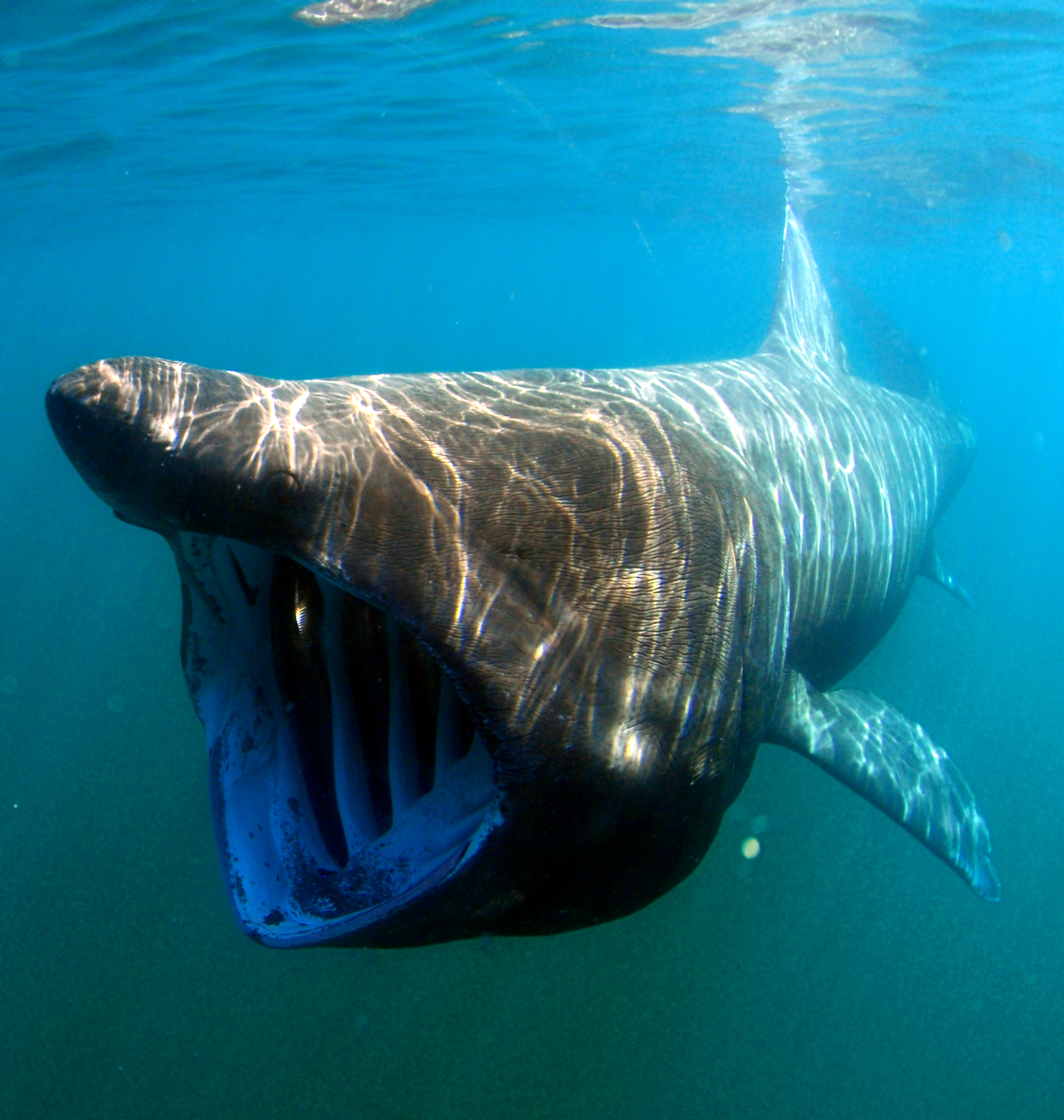
Basking shark (Cetorhinus maximus).

Image: Greg Skomal / NOAA Fisheries Service / Public domain

Basking Shark (Cetorhinus maximus)

The basking shark is one of the most recognizable sharks: an enormous body, a bulbous conical snout, and very large gill slits that nearly encircle the head. The mouth is large and subterminal, with many small hooked tee

North Atlantic and North Pacific Temperate WatersSharks & Rays2 sources
SpeciesENEndangered
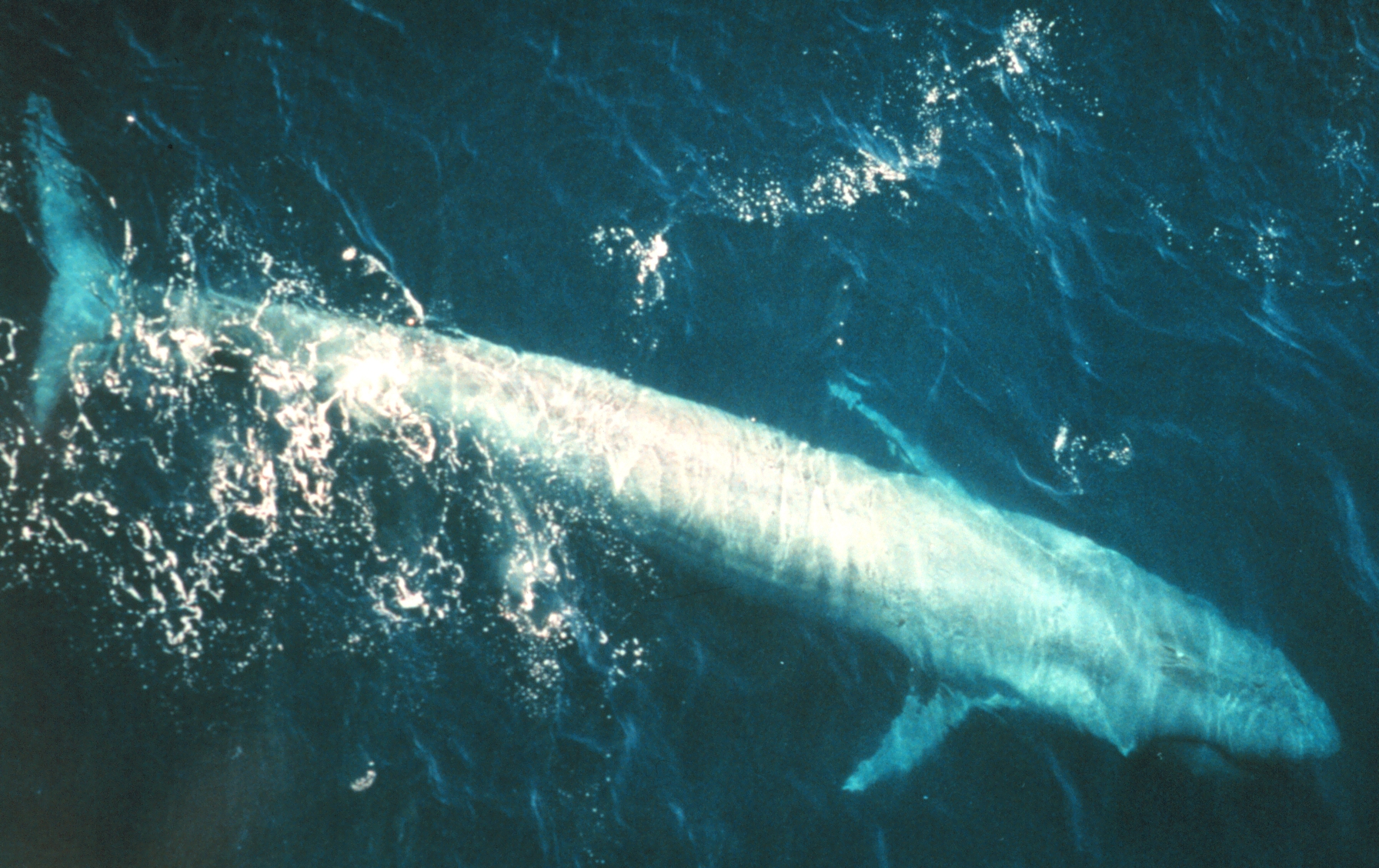
Adult blue whale (Balaenoptera musculus) from the eastern Pacific Ocean.

Image: NMFS Northeast Fisheries Science Center (NOAA) / Public domain

Blue Whale (Balaenoptera musculus)

A very large, slender baleen whale (rorqual). NOAA Fisheries describes animals that can reach roughly 110 feet (about 33 m) in the Antarctic, with a long mottled blue grey body, a small dorsal fin set far back, and a bro

beginnerCetaceans4 sources
SpeciesLCLeast Concern
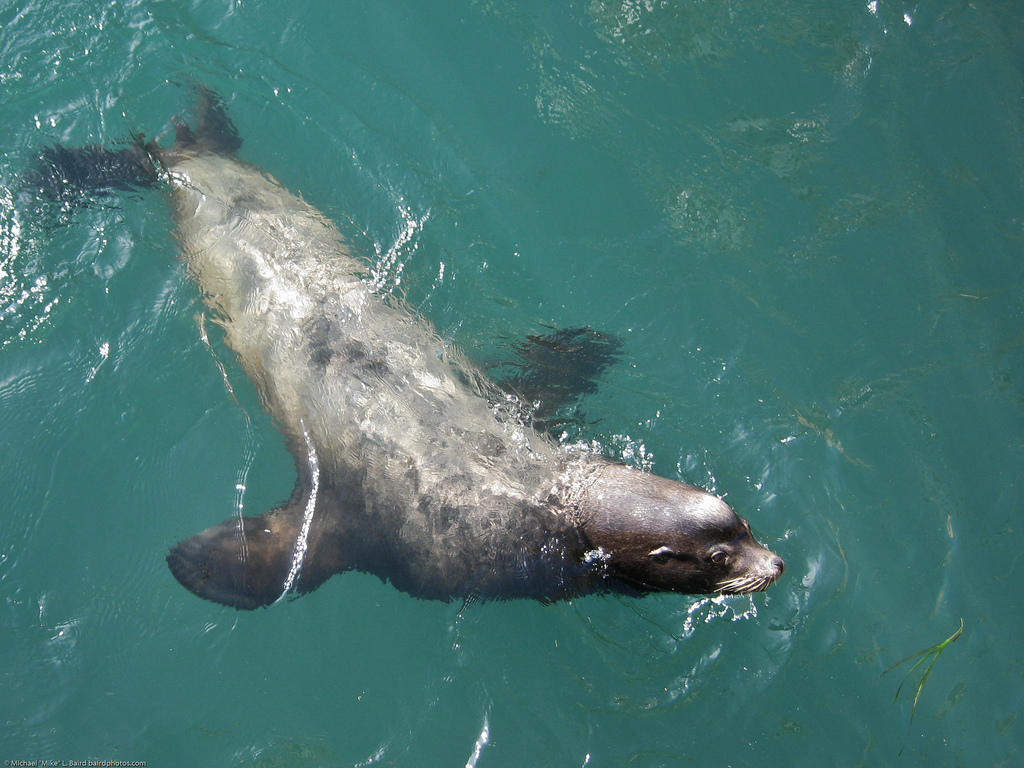
California Sea Lion in Morro Bay.

Image: https://www.flickr.com/photos/mikebaird/ Mike Baird / CC BY 2.0

California Sea Lion (Zalophus californianus)

A medium large eared seal: males are much larger than females and develop a raised forehead crest (sagittal crest) with age, often appearing lighter on the crown. Unlike true seals, otariids have visible external ear fla

beginnerPinnipeds2 sources
SpeciesEXExtinct
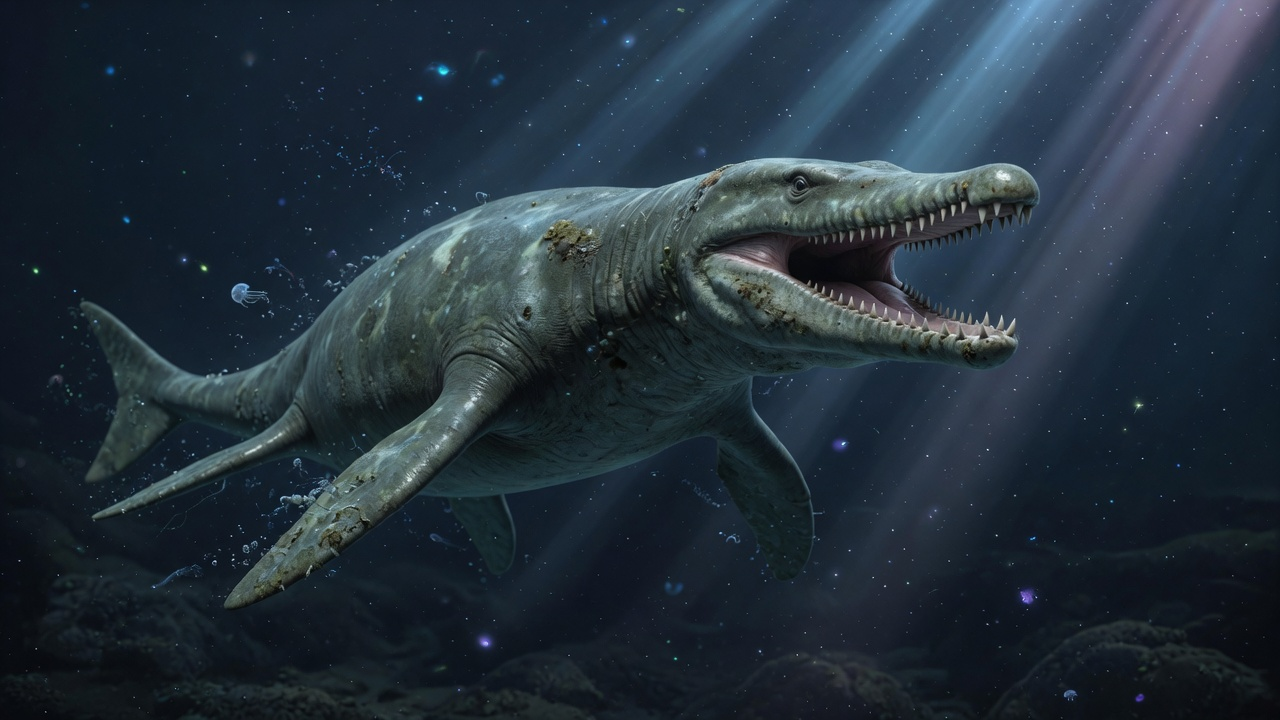
Photoreal concept reconstruction of Mosasaurus hoffmannii swimming in a Late Cretaceous open ocean, with a long body, paddle-like limbs, and a powerful tail.

Image: Blue Life Commons / Grok Imagine concept reconstruction / CC-BY-4.0

Mosasaurus hoffmannii

Not a dinosaur. Mosasaurus is a giant marine lizard (mosasaur) from the Late Cretaceous. Hero media is AI concept reconstruction — soft tissue color, exact scale pattern, and behavior are not proven by fossils. Mosasaurs

beginnerDeep Time Marine Reptiles3 sources
Region

Antarctic Peninsula, Southern Ocean

The Antarctic Peninsula is the northernmost reach of the Antarctic continent, extending toward South America and bordered by some of the most biologically productive waters in the Southern Ocean. It is also one of the fa

antarctic-peninsulaCetaceans6 sources
Region

Azores, Portugal

The Azores are a Portuguese archipelago in the central North Atlantic, sitting atop the Mid Atlantic Ridge. The volcanic islands rise from a seafloor studded with seamounts, and the deep water close to shore makes the ar

azoresCetaceans5 sources
What makes it trustworthy

Principles we hold, not promises we make

Grounded, or silent

Every claim traces to a citation with a source tier. If we cannot source it, we do not publish it. No speculation dressed as fact.

Welfare-first ethics

Sensitive locations are generalized. Missions carry ethics review. The Five Domains welfare model frames how we describe animal wellbeing.

GitHub decides, the site publishes

Contribution, review and versioning happen in the open on GitHub. This website is a rendering of what the community has verified.

A commons, not a product

Content is CC-BY and free forever. The work is sustained by services and sponsorship — never by locking the knowledge away.

Guardian signals

The commons, watching in real time

Guardian layers live public data over source-linked records whose review state remains visible — biodiversity occurrence records from OBIS and GBIF, the same open sources the Ocean Intelligence System watches. Facts appear only when the source responds.

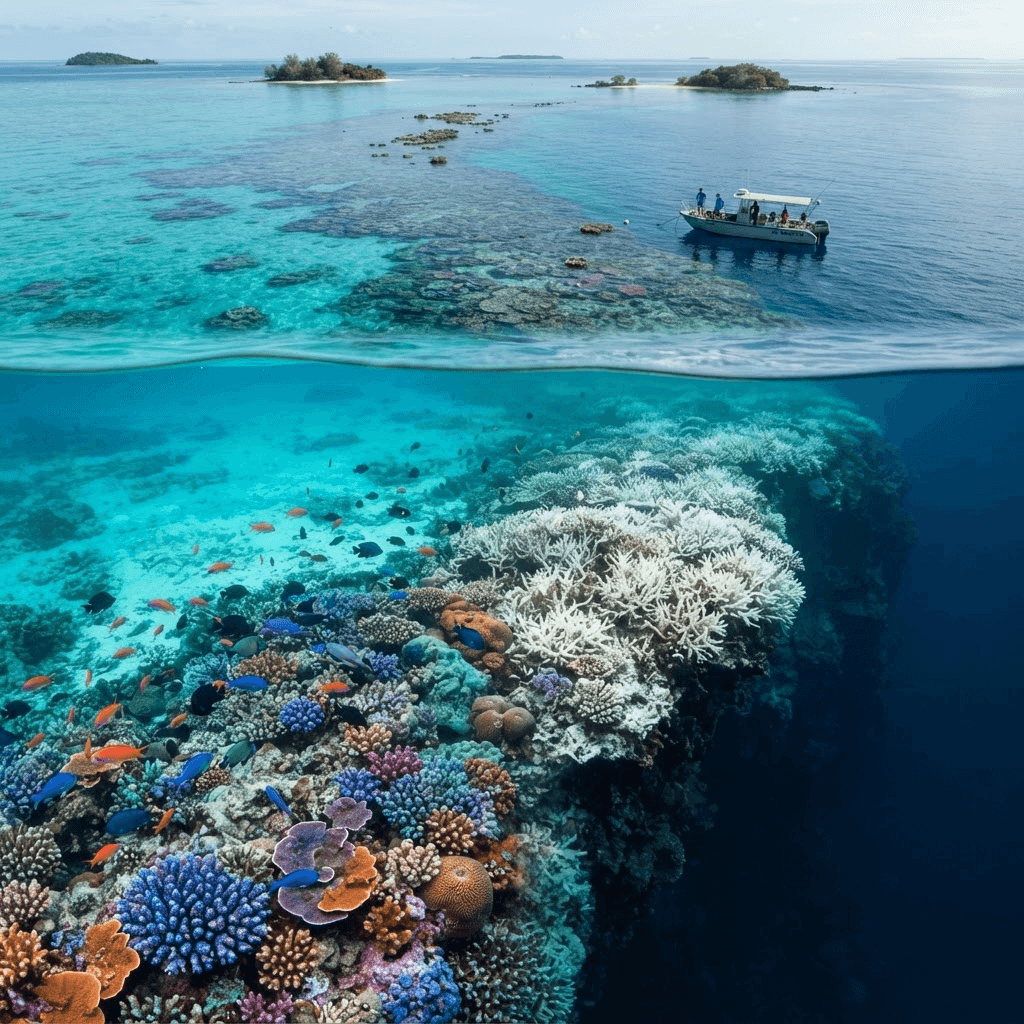
Coral reef transitioning from healthy to bleached, monitored by satellite

Turn ocean curiosity into evidence the world can trust.

Whether you observe, research, teach, fund or build — there is a place for you in the commons. Everything you add stays open and credited.